
MIDDLE EAST TESTING SERVICES W.L.L QATAR
MIDDLE EAST TESTING SERVICES W.L.L QATAR
Salt Spray and Weathering Test Analysis

Accelerated Testing for Harsh Gulf Environments
The Salt Spray and Weathering Test is a laboratory-based accelerated corrosion test designed to simulate long-term exposure to marine, humid, or industrial environments. By replicating years of weathering in a controlled setting, this test helps determine how metals, coatings, and surface finishes perform under Qatar’s extreme environmental conditions — characterized by high humidity, temperature, and airborne salinity.
It is a vital part of material qualification and quality assurance for industries such as construction, oil & gas, automotive, and marine infrastructure.
1. What Is a Salt Spray Test?
A Salt Spray Test (or Salt Fog Test) evaluates the corrosion resistance of materials and protective coatings (e.g., paint, galvanization, anodizing, or powder coating) when exposed to a highly saline mist environment.
This test accelerates the effects of marine or coastal exposure, allowing engineers and manufacturers to:
- Assess coating durability and adhesion.
- Compare corrosion protection systems.
- Validate compliance with ASTM, ISO, and GCC standards.
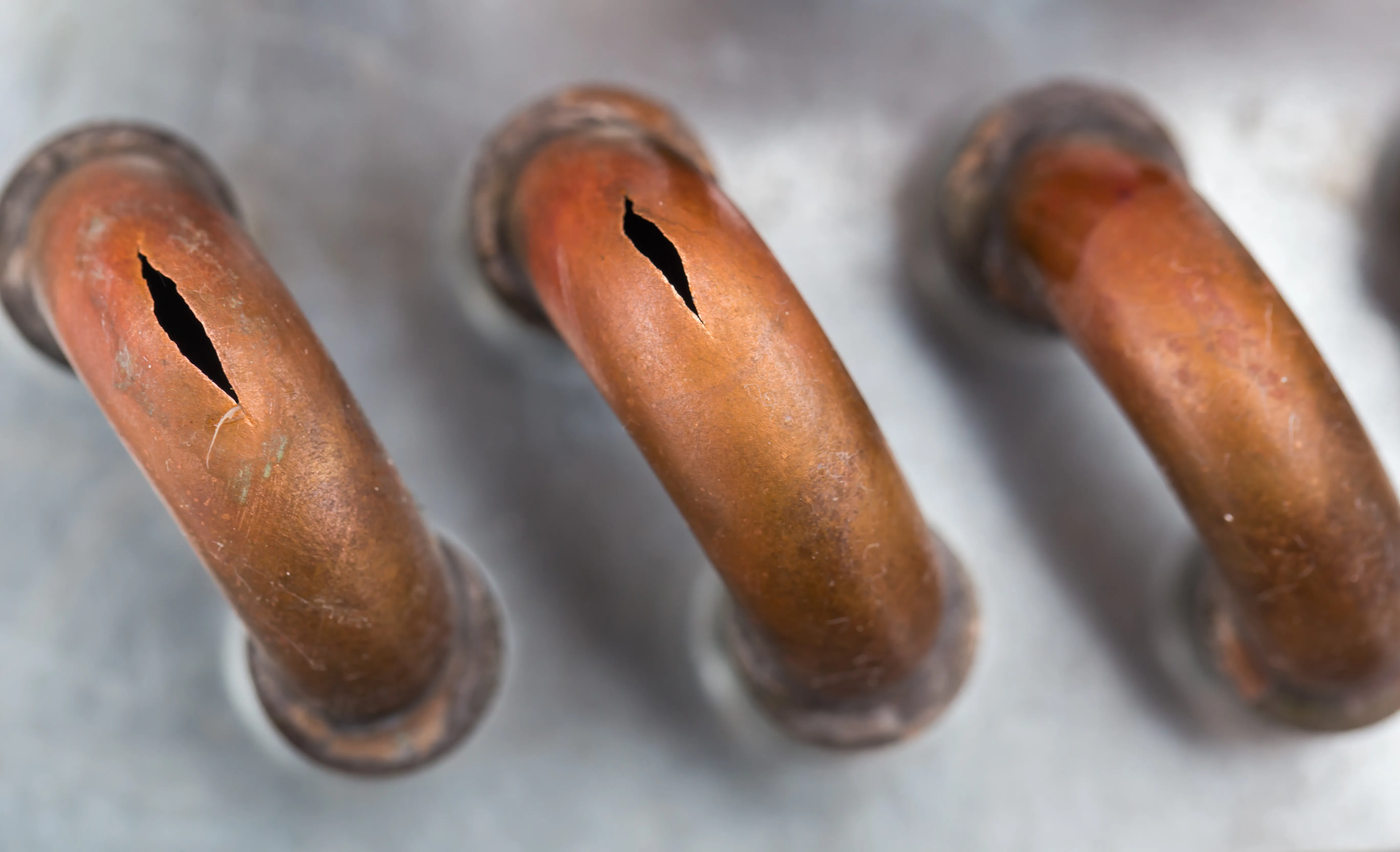
In Gulf countries like Qatar, where salt-laden humidity and heat are major corrosion factors, salt spray testing ensures product reliability, structural safety, and long-term coating performance.
2. Test Principle
Inside a salt spray chamber, a fine mist of 5% sodium chloride (NaCl) solution is continuously sprayed at a controlled temperature and humidity over test specimens.
Key Features:
- Accelerated Environment: Simulates months or years of natural exposure within days or weeks.
- Controlled Conditions: pH 6.5–7.2, temperature ~35°C, and uniform mist density.
- Comparative Assessment: Quickly identifies differences in material or coating quality.
This controlled approach provides early insight into corrosion behavior, blistering, rusting, and coating failure.
3. International Standards Used
| Standard | Description | Key Parameters / Application |
|---|---|---|
| ASTM B117 | Standard Practice for Operating Salt Spray (Fog) Apparatus | 5% NaCl, pH 6.5–7.2, 35°C |
| ISO 9227 | Corrosion Tests in Artificial Atmospheres — Salt Spray Tests | Neutral (NSS), Acetic (AASS), and Copper-Accelerated (CASS) |
| JIS Z 2371 | Japanese Standard for Salt Spray Testing | Equivalent to ASTM B117 |
| IEC 60068-2-11 | Environmental Testing — Test Ka: Salt Mist | For electrical and electronic components |
| ISO 12944-6 | Paints and Coatings — Corrosion Categories | Defines durability classes and exposure ratings |
4. Test Parameters
| Parameter | Typical Value | Purpose |
|---|---|---|
| Salt Concentration | 5% NaCl solution | Simulates marine salt levels |
| Temperature | 35 ± 2°C | Standard corrosion condition |
| pH | 6.5 – 7.2 | Neutral salt environment |
| Spray Rate | 1–2 mL/80 cm²/hr | Ensures uniform fog |
| Duration | 24–1000+ hours | Based on corrosion class requirement |
5. Test Evaluation and Results
After exposure, samples are visually and mechanically inspected to assess corrosion and coating performance.
Typical Evaluations Include:
- Surface rusting, blistering, cracking, and peeling
- Coating delamination or underfilm corrosion
- Metal pitting and discoloration
- Visual grading per ISO 10289, ASTM D610, or ASTM D714
Performance Classification Examples:
- 120 hours — Adequate for mild indoor environments
- 480 hours — Suitable for outdoor urban exposure
- 1000+ hours — High-performance marine or industrial coating systems

6. Relevance to Qatar and GCC Conditions
The Gulf environment poses extreme challenges to coatings and materials due to:
- Coastal humidity up to 95%
- Salt-laden dust and airborne chlorides
- High UV radiation and ambient temperature (>45°C)
- Condensation cycles and sand abrasion
Therefore, salt spray and weathering tests are crucial for:
- Outdoor infrastructure (streetlight poles, signboards, facades)
- Marine and offshore structures
- Solar panel frames and industrial machinery
- Automotive components and architectural coatings
To reflect Qatar’s conditions accurately, many projects now require combined corrosion and weathering cycles.
7. Combined Weathering Tests
Modern testing protocols often combine multiple environmental stresses for realistic evaluation.
Typical Combined Test Standards:
- Salt Spray + UV Exposure: ISO 11507 / ASTM G154
- Humidity + Thermal Cycling: IEC 60068-2-30
- Sand & Dust Exposure: IEC 60068-2-68
These simulate sunlight, humidity, salinity, and temperature variations — essential for coatings used in coastal, desert, or industrial settings.
8. Interpretation and Reporting
A professional salt spray and weathering test report typically includes:
- Test standard and setup (ASTM B117 / ISO 9227)
- Chamber temperature, humidity, and pH logs
- Exposure duration (hours)
- Visual and photographic documentation
- Corrosion rating and defect analysis (ISO 10289 / ASTM D610)
- Pass/Fail classification
- Deviation, remarks, and test conclusion
Reports help clients verify coating certification, supplier quality, and project specification compliance.
9. Limitations of the Salt Spray Test
While it’s a valuable comparative corrosion test, it has certain limitations:
- Does not replicate natural drying or UV cycles.
- Is accelerated, not predictive — 1000 hours ≠ one year outdoors.
- Works best when combined with cyclic corrosion or natural exposure tests for complete durability validation.
10. Summary — Recommended Durations by Environment
| Environment Type | Recommended Duration (hrs) | Typical Coating / IP System |
|---|---|---|
| Indoor, Dry Conditions | 24–72 | Basic powder coat / zinc plating |
| Urban Outdoor | 240–480 | Epoxy + polyurethane system |
| Coastal / Industrial | 720–1000 | Hot-dip galvanizing / marine-grade coating |
| Marine / Offshore | 1500–2000 | Multi-layer epoxy / C5-M high-durability system |
Partner with METS Laboratoriesoratory — Qatar’s Corrosion Testing Experts
At METS, we provide comprehensive Salt Spray and Weathering Testing services to evaluate material durability under Qatar’s extreme climate conditions.
Our Key Strengths:
- ISO/IEC 17025-Accredited Corrosion Testing Facility
- Fully Equipped Salt Fog & Xenon Arc Chambers
- Testing as per ASTM B117, ISO 9227, and IEC 60068 Standards
- Combined UV, Salt, and Humidity Simulation
- Detailed Reporting with Visual Documentation
- Expert Consultation on Coating Selection & Performance Improvement
We help manufacturers, fabricators, and contractors achieve long-term corrosion protection, regulatory compliance, and confidence in material reliability.
Conclusion — Ensuring Corrosion Resistance for Qatar’s Environment
The Salt Spray and Weathering Test is a critical step in material validation and coating performance assurance, particularly for marine, industrial, and construction sectors in the GCC.
By applying ASTM B117 and ISO 9227 standards, METS Laboratoriesoratory ensures that every tested product meets the durability and corrosion protection expectations demanded by Qatar’s coastal climate.
From streetlight poles to offshore equipment — we help you test, verify, and build materials that last.
Stay Informed With METS Laboratories
Connect with us and get to know about our latest updates and service details
Need specialized chemical testing? Share your project details with us, and we'll provide a
personalized quote to meet your requirements
