 MIDDLE EAST TESTING SERVICES W.L.L QATAR
MIDDLE EAST TESTING SERVICES W.L.L QATAR
METS: Plastic and Steel Testing

Quality, Compliance, and Confidence in Every Meter and Every Ton
In the GCC’s rapidly expanding construction and infrastructure sectors, testing of steel and plastic materials is more than a regulatory requirement — it’s a commitment to safety, sustainability, and structural integrity. At METS Lab, we provide ISO/IEC 17025-accredited testing for steel, plastics, and composite materials, ensuring compliance with Qatar Construction Specifications (QCS), GSO, and international standards such as ASTM, BS EN, and ISO.
Whether you are a contractor, consultant, or manufacturer, working with an accredited testing partner like METS ensures that your materials not only meet design specifications — they exceed expectations for safety, performance, and regulatory approval.
1. Testing Infrastructure and Accreditation
METS operates across the GCC through a multi-national network of accredited laboratories, each specialized in local regulatory frameworks and standards compliance.
Our Accreditation Highlights:
- ISO/IEC 17025 accreditation for testing and calibration.
- QGOSM (Qatar General Organization for Standardization) and ASHGHAL (Qatar Public Works Authority) recognition.
- Collaboration with SABER (Saudi Arabia) and ESMA (UAE)-approved testing programs.
- Authorized to conduct initial qualification (type testing) and routine batch testing for ongoing quality verification.
Every branch under METS ensures continuous conformity with national construction codes and international testing benchmarks, delivering traceable, validated, and audit-ready results.

2. Ensuring Quality and Safety — The Role of Plastic and Steel Testing
In the Gulf’s construction ecosystem, where climate extremes and rapid development intersect, material reliability is fundamental.
Steel and plastics form the structural backbone of modern infrastructure — from high-rise towers and bridges to underground piping and smart city installations.
Why Testing Matters
Rigorous testing of materials ensures that they:
- Meet mechanical, chemical, and dimensional standards.
- Comply with GCC, QCS, and international codes (ASTM, BS EN, ISO).
- Maintain traceability from manufacturing source to on-site delivery.
- Offer long-term safety and durability in harsh Gulf conditions.
In essence, QCS/GSO testing standards convert material “quality” from an assumption into certified proof of compliance and reliability.
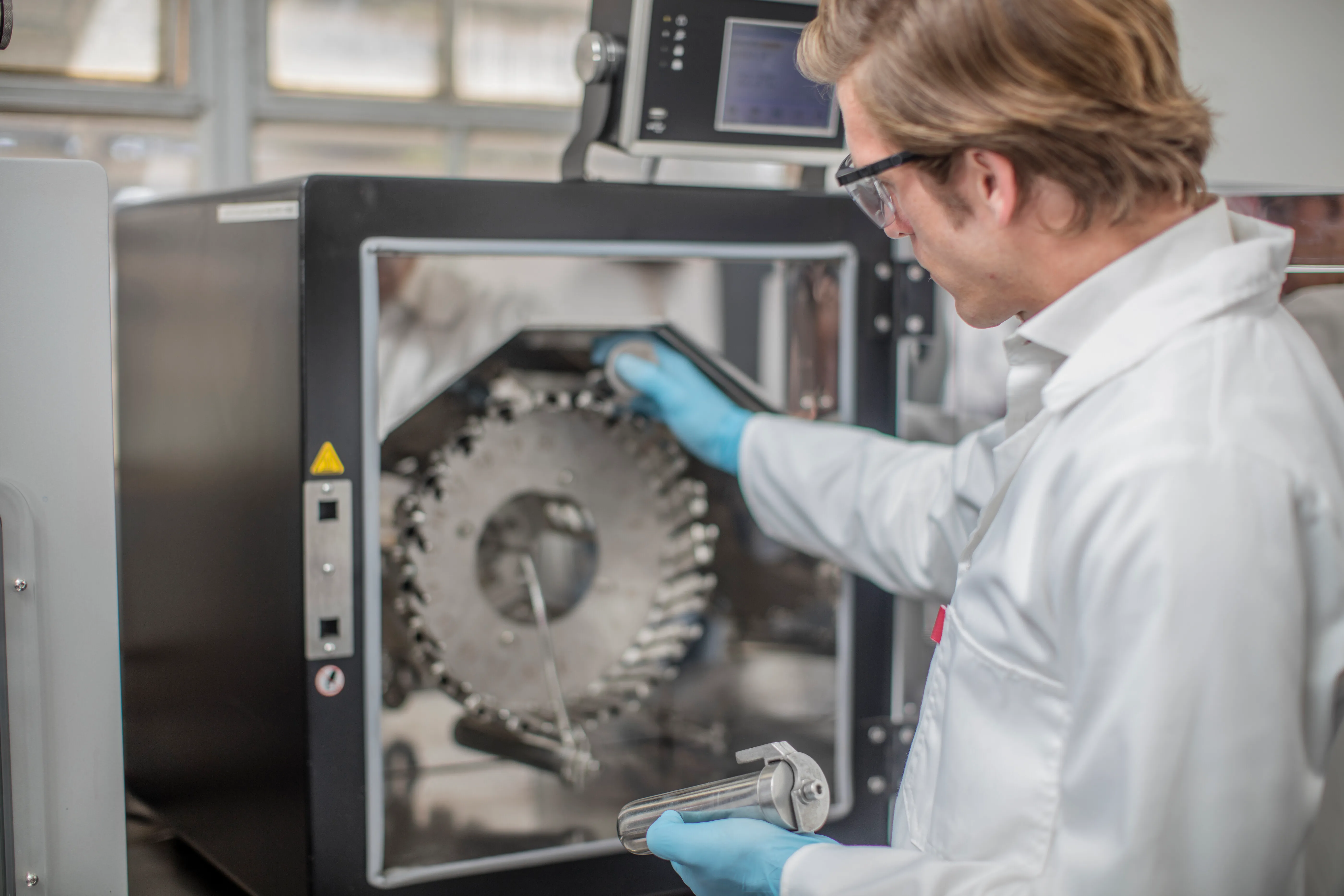
3. Steel Testing — Building Strength with Science
Steel is the most critical component in the GCC’s reinforced concrete and structural frameworks.
Under QCS 2024 and GSO regulations, all reinforcement and structural steels must undergo type approval, batch verification, and third-party certification through an ISO 17025-accredited laboratory.
Key Tests for Steel Materials
| Test Type | Purpose | Reference Standards |
|---|---|---|
| 1. Chemical Composition Analysis | Determines carbon, manganese, phosphorus, and sulfur content to confirm grade compliance (B500B, ASTM A615, BS 4449). | ASTM E415 / ISO 4997 |
| 2. Tensile Test | Measures yield strength, ultimate tensile strength, and elongation for ductility verification. | ASTM A370 / BS EN 10002-1 |
| 3. Bend and Re-bend Tests | Ensures the material can withstand deformation without cracking — essential for rebar. | BS EN 15630 / ISO 7438 |
| 4. Impact (Charpy) Test | Assesses material toughness and performance at varying temperatures. | ASTM E23 / ISO 148 |
| 5. Weldability and Fatigue Tests | Evaluate compatibility in welded assemblies and fatigue resistance under cyclic loads. | ASTM E466 / ISO 1099 |
| 6. Traceability and Certification | Ensures every batch has a valid heat number, mill certificate, and Qatar Quality Mark (QQM) or equivalent. | QCS 2024 / ISO 10474 |
Compliance Framework
- QCS 2024 – Section 5: Structural and Reinforcement Steel
- BS EN 10002-1, BS EN 15630, ASTM A370 – Mechanical testing
- ISO/IEC 17025 – Laboratory accreditation standard
Under QCS, the Engineer or Authority reserves the right to inspect and re-test materials both at the manufacturing site and upon project delivery.
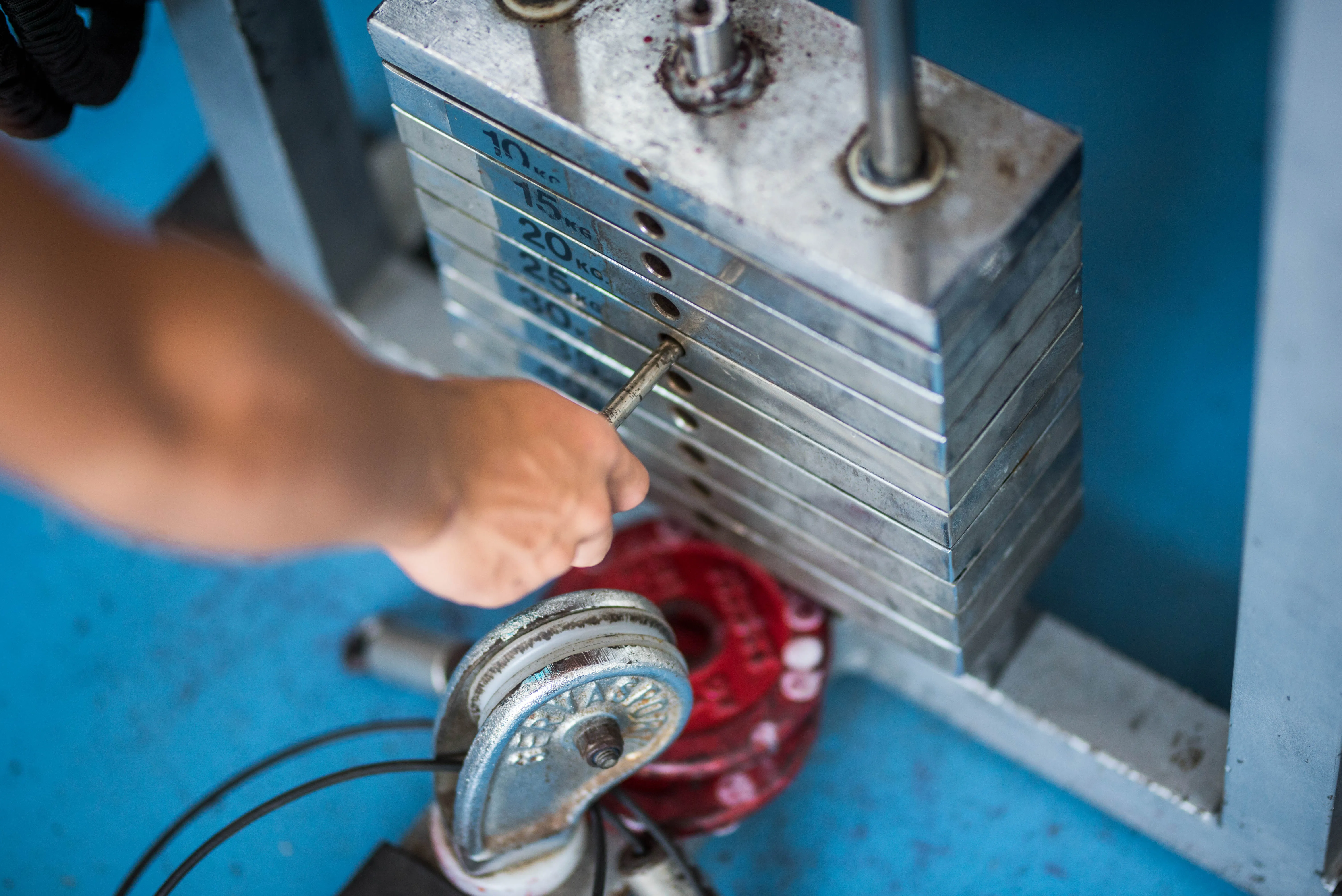
4. Plastic Testing — Ensuring Performance in Harsh Environments
Plastics are widely used across pipes, conduits, fittings, membranes, and formworks, offering flexibility and corrosion resistance. However, under Gulf climatic stress, compliance and performance validation are mandatory.
Essential Tests for Plastic Products
| Test Category | Purpose / Parameter | Relevant Standards |
|---|---|---|
| 1. Dimensional & Visual Inspection | Confirms pipe and fitting dimensions, wall thickness, and surface quality. | ISO 2507 / QCS 2024 Section 8 |
| 2. Mechanical Testing | Impact, tensile, compression, and bending strength validation. | ASTM D638 / ISO 527 |
| 3. Thermal Performance | Vicat Softening Temperature (VST) and Melt Flow Rate (MFR) testing for heat resistance. | ISO 306 / ISO 1133 |
| 4. Chemical Resistance | Verifies durability against chlorinated water, additives, and hydrocarbons. | ASTM D543 / ISO 175 |
| 5. Long-Term Pressure Testing (for Pipes) | Simulates real-world performance under continuous internal pressure. | ISO 1167 / ASTM D2837 |
| 6. Flammability & Electrical Insulation | Required for electrical conduits and enclosures to ensure safety. | IEC 60695 / ASTM D635 |
Regulatory & Environmental Compliance
- QCS 2024 Section 8: Plastics, Pipes, and Fittings
- GSO 2758:2024: Plastic Moulds for Concrete
- ASTM D1785, BS EN 1452, ISO 2507 – PVC, PE, PP systems
- ISO/IEC 17025: Laboratory competence
- Environmental Directive: Prohibits use of lead stabilizers and restricted additives
These standards ensure that all plastic materials are fit for Gulf environments, resistant to high temperature and pressure, and compliant with health and environmental regulations.

5. GCC Testing Ecosystem and Cross-Border Compliance
METS supports clients across the Gulf through harmonized multi-country testing and certification, providing a unified compliance solution for regional markets.
| Country | Primary Regulatory Body | Testing / Certification Requirement |
|---|---|---|
| Qatar | QGOSM / ASHGHAL | QCS-compliant testing and QQM certification |
| Saudi Arabia | SABER / SASO | Pre-shipment conformity and SASO CoC |
| UAE | ESMA / MOIAT | Product conformity and ECAS certification |
| Oman / Kuwait / Bahrain | GSO / National Standards Bodies | GSO 17025 accredited lab reports for imports |
METS laboratories across the GCC ensure cross-recognition of test reports, helping clients achieve multi-market certification efficiently.
6. Why Choose METS for Plastic and Steel Testing
ISO/IEC 17025-Accredited Testing Laboratories
ASHGHAL- and QGOSM-Approved for QCS material compliance
Comprehensive infrastructure for mechanical, thermal, and chemical testing
Advanced instruments: UTM, spectrometers, DSC, MFR, Charpy impact testers
Full traceability and digital test reporting with mill certificate verification
Cross-GCC support for ESMA, SABER, and GSO conformity programs
Fast turnaround and technical consultation
for design and QA engineers7. Building Confidence Through Certified Materials
From reinforcing steel bars to PVC pressure pipes, every tested sample contributes to Qatar’s infrastructure integrity.
At METS Lab, our expertise ensures that every batch, every test, and every certificate reflects the highest levels of scientific accuracy, regulatory compliance, and engineering excellence.
Quality isn’t optional — it’s measurable, verifiable, and certified.
Stay Informed With METS Laboratories
Connect with us and get to know about our latest updates and service details
Need specialized chemical testing? Share your project details with us, and we'll provide a
personalized quote to meet your requirements
Feature Services
