 MIDDLE EAST TESTING SERVICES W.L.L QATAR
MIDDLE EAST TESTING SERVICES W.L.L QATAR
IP Rating in Chemical Laboratories

Understanding Ingress Protection (IP) Rating in Chemical Labs
In chemical laboratories, electronic instruments and equipment are often exposed to dust, moisture, chemical vapors, and corrosive splashes. To ensure safety, reliability, and durability, it’s essential to consider their Ingress Protection (IP) rating.
The IP rating, defined under IEC 60529, classifies the level of protection provided by an enclosure against the intrusion of solid objects (dust) and liquids (water, chemicals). Each device is labeled with a two-digit code (e.g., IP65), where the first digit represents protection against solids, and the second indicates protection against liquids.
What Is an IP Rating?
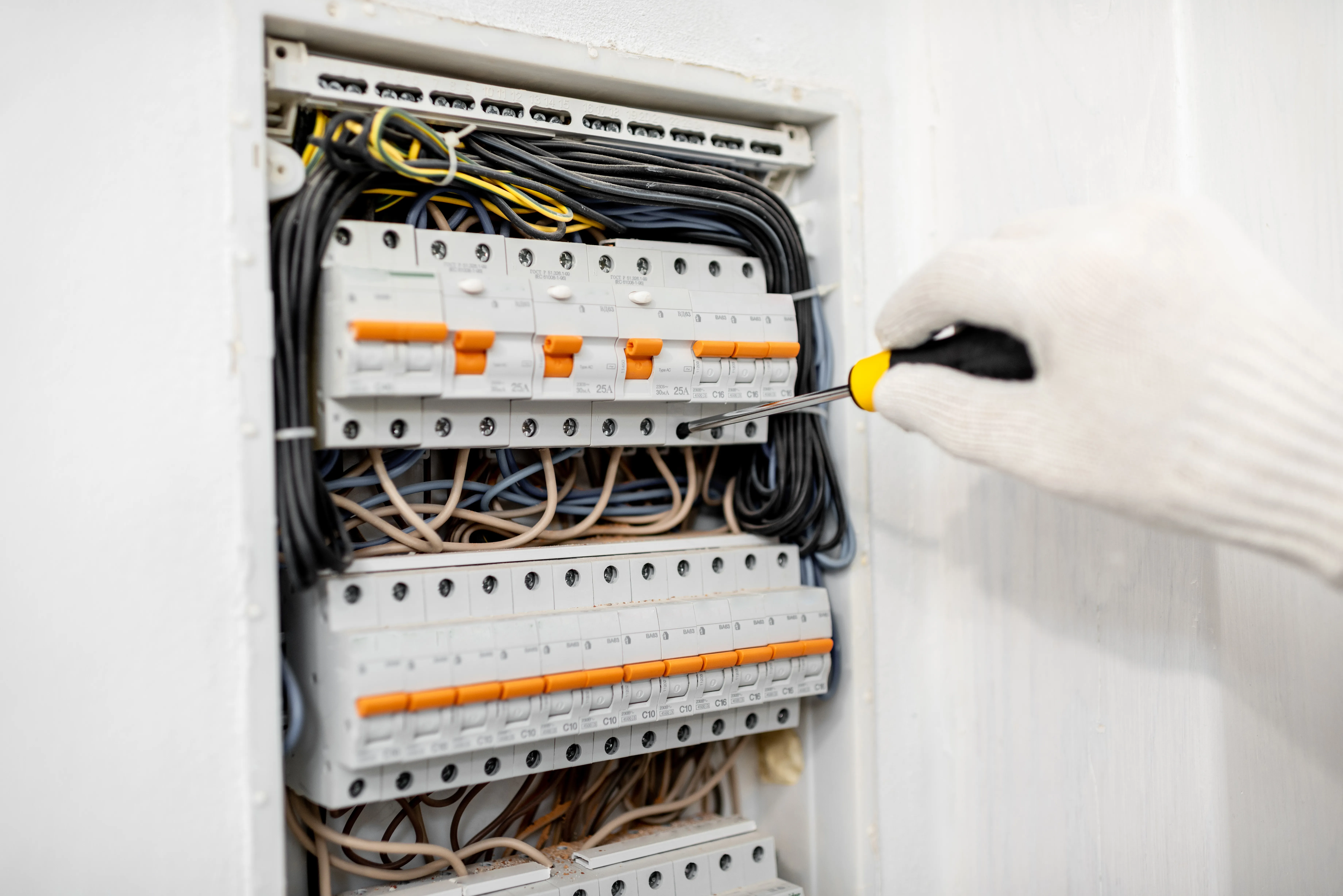
IP Rating (Ingress Protection or International Protection marking) is a standardized system used globally to determine how well an electrical enclosure can resist dust, water, and environmental ingress.
The higher the digits, the greater the protection level:
| Example | Protection Level | Typical Application |
|---|---|---|
| IP20 | Basic indoor protection | Indoor electrical panels |
| IP54 | Protection from limited dust & splashing water | Indoor/outdoor lab instruments |
| IP65 | Dust-tight & protected against water jets | Lab enclosures, pumps, control boxes |
| IP66/IP67 | High-pressure water / temporary immersion | Harsh or outdoor environments |
Environmental Challenges in Chemical Laboratories
Chemical labs in Qatar face unique environmental conditions — from humidity and condensation to chemical vapors and frequent cleaning.
| Environmental Factor | Description | Recommended IP Protection |
|---|---|---|
| Chemical spills | Exposure to acids, bases, or solvents | IP65+ with chemically resistant materials |
| Moisture / Condensation | Washing glassware, humidity, steam | IP54–IP66 |
| Dust / Powders | Residues, dry chemicals | IP5X or IP6X |
| Fume hood vapors | Corrosive gases, solvent vapors | Sealed, corrosion-resistant enclosure |
| Temperature fluctuations | From ovens, freezers, or mantles | IP-rated gaskets that tolerate expansion |
| Cleaning & disinfection | Regular wipe-downs and sprays | IP65–IP67 for washable instruments |
How IP Rating Testing Works
Ingress Protection testing is conducted under controlled laboratory conditions to simulate real-world environments:
- Dust Protection Test: Equipment is placed in a dust chamber under vacuum to verify sealing against particles.
- Water Protection Test: Performed using water jets, sprays, or immersion tests.
- Post-Test Evaluation: The device is inspected for performance degradation, moisture ingress, and electrical safety.
Once testing is complete, the equipment is assigned an IP code based on its protection level according to IEC 60529.
IP Rating Requirements in Qatar
Qatar’s electrical and infrastructure regulations include specific IP protection requirements across different authorities and sectors:
1. KAHRAMAA — Low Voltage Electricity Wiring Code (2016/2018)
- “Electrical equipment installed outdoors or in damp areas must be weatherproof or enclosed in an IP54-rated enclosure (minimum).”
- For bathrooms or wet zones: minimum IPX4 protection.
- This serves as a baseline for outdoor and moisture-exposed installations.
2. ASHGHAL — Intelligent Transportation System (ITS) Specifications
- Ground-mounted enclosures must be weather-resistant and comply with EN 60529 / ETSI EN 300 019.
- Minimum IP rating: IP65 for traffic and telecom infrastructure.
3. Additional Sector Standards
- LV Switchgear & Controlgear: Minimum IP42 (indoor), IP55 (outdoor busbar ducting).
- Lighting Luminaires: Enclosures must be IP66 or higher (as per EN 60529).
- Industrial and Petrochemical Facilities: Often require IP66/IP67 or explosion-proof housings.
Practical Guidelines for Specifying IP Ratings in Qatar
Environment Matters
- Outdoor installations: IP54 minimum, IP65+ preferred for dust or sand exposure.
- Indoor dry areas: IP20–IP30 may suffice.
- Wet or damp zones (bathrooms, wash areas): IPX4–IPX5 required.
Project-Specific Requirements
- Infrastructure projects (e.g., roads, ITS, lighting) often demand IP65–IP66, with third-party certification from accredited labs (e.g., UKAS).
Consider Qatar’s Climate
- High heat, sandstorms, and humidity make dust and water ingress a major concern.
- IP rating must address both solid particles (sand/dust) and liquid exposure.
Certification and Testing
- Always verify certification through independent IP testing laboratories accredited under ISO/IEC 17025.
- Maintain test reports and calibration certificates for submission to Ashghal, KAHRAMAA, or project consultants.
Installation Integrity
- Ensure that cable glands, connectors, and entry points preserve the enclosure’s IP rating.
- Improper installation can downgrade the effective protection level.
Recommended Best Practices for Chemical Laboratories
- Determine installation conditions: indoors/outdoors, humidity, cleaning frequency.
- Select appropriate materials: stainless steel or coated polymer for chemical resistance.
- Require IP test certification from an accredited lab (IEC 60529).
- Cross-reference Ashghal / KAHRAMAA / QGOSM project codes.
- Consider factors not covered by IP (e.g., UV resistance, corrosion, mechanical impact).
- Ensure correct labeling and documentation of IP rating in technical submissions.
Areas Requiring Further Clarity
- Qatar does not currently have a single unified IP rating law; requirements are distributed across individual standards and codes.
- Imported equipment may need additional approval from KAHRAMAA or customs authorities.
- Hazardous industries (oil, gas, petrochemical) follow more stringent IP + explosion-proof standards (e.g., IECEx, ATEX).
- Always verify latest standard editions for compliance before project submission.

Conclusion — Ensuring Equipment Safety in Harsh Lab Environments
Selecting the correct IP rating in chemical laboratories ensures long-term safety, durability, and compliance.
In Qatar’s demanding climatic and regulatory conditions, understanding and applying the IEC 60529 IP protection framework is critical.
From lab instruments and control panels to outdoor enclosures and lighting systems, every equipment choice should be guided by environmental exposure, project specifications, and certification standards — ensuring consistent performance, protection, and regulatory approval.
Stay Informed With METS Laboratories
Connect with us and get to know about our latest updates and service details
Need specialized chemical testing? Share your project details with us, and we'll provide a
personalized quote to meet your requirements
Feature Services
