 MIDDLE EAST TESTING SERVICES W.L.L QATAR
MIDDLE EAST TESTING SERVICES W.L.L QATAR
Industrial & Engineering Material Testing

Evaluating the Performance and Integrity of Materials Under Real-World Conditions
Industrial and engineering material testing involves the measurement and evaluation of physical, mechanical, thermal, and chemical properties of materials such as metals, alloys, ceramics, plastics, composites, and polymers.
At METS Lab, Doha, our ISO/IEC 17025-accredited facility performs comprehensive testing to determine material quality, durability, and compliance with Qatar’s construction and engineering standards, including QCS 2014, ASTM, ISO, and AASHTO.
These evaluations ensure that every component — from structural steel to polymer composites — meets the stringent performance, safety, and reliability criteria required across industries like construction, aerospace, automotive, oil & gas, and manufacturing.
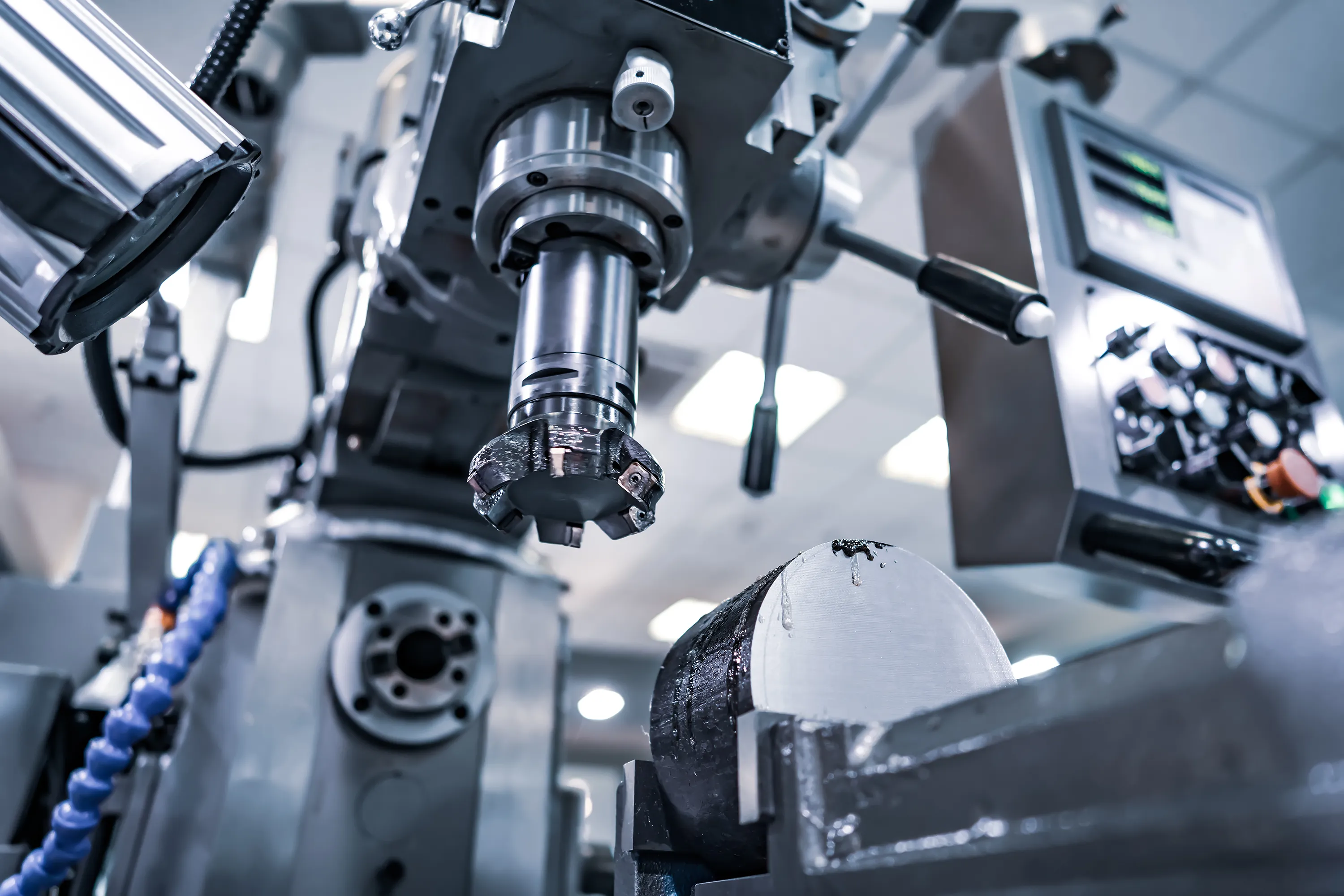
1. Relevance of Industrial & Engineering Material Testing
Material testing is the foundation of engineering design and quality control. It ensures that materials behave predictably and safely under applied stress, load, heat, or environmental conditions.
Key Benefits:
- Predicts material performance and service life under real-world conditions
- Ensures compliance with regulatory and international standards
- Verifies quality assurance during production and construction
- Identifies defects, impurities, or degradation before failure occurs
- Supports product development, research, and certification
In Qatar, material testing is essential for Public Works Authority (Ashghal) approvals, infrastructure projects, and industrial certification programs.
2. Categories of Industrial & Engineering Material Testing
Material testing is broadly classified into Destructive, Non-Destructive, Thermal/Environmental/Chemical, and Metallurgical/Microstructural methods.
| Category | Typical Tests | Purpose / Applications |
|---|---|---|
| Destructive Testing (DT) | Tensile, Compression, Impact, Fatigue, Hardness, Creep, Bend | Determines ultimate strength, toughness, and fracture resistance under stress. |
| Non-Destructive Testing (NDT) | Ultrasonic, Radiographic, Magnetic Particle, Dye Penetrant, Eddy Current, Visual | Detects internal and surface defects without damaging the material. |
| Thermal / Environmental / Chemical Testing | Heat resistance, Corrosion, Composition, Chemical reactivity | Evaluates thermal behavior, corrosion resistance, and environmental durability. |
| Metallurgical / Microstructural Testing | Microscopy, Grain size, Alloy verification, Inclusion content | Examines microstructure, material composition, and heat treatment effects. |
3. Key Methods & Techniques
Destructive Testing (DT)
- Tensile Test: Determines ultimate tensile strength, yield point, and elongation (ASTM E8 / ISO 6892).
- Compression Test: Measures resistance to crushing forces.
- Impact Test (Charpy): Assesses toughness and brittleness (ASTM E23 / ISO 148).
- Fatigue & Creep Tests: Simulate long-term cyclic and high-temperature performance (ASTM E466 / E139).
- Hardness Test: Determines surface resistance to indentation (Rockwell – ASTM E18 / Vickers – ASTM E384).
- Fracture Toughness & Bend Tests: Evaluate crack propagation and ductility (ASTM E399 / E290).
Non-Destructive Testing (NDT)
- Ultrasonic Testing (UT): Detects internal flaws, wall thickness, and weld integrity (ASTM E114 / ISO 17640).
- Radiographic Testing (RT): Uses X-ray or gamma rays to reveal internal discontinuities (ASTM E94 / ISO 17636).
- Magnetic Particle Inspection (MPI): Identifies surface and near-surface cracks (ASTM E1444 / ISO 9934).
- Liquid / Dye Penetrant Testing (LPT): Highlights surface-breaking defects (ASTM E1417 / ISO 3452).
- Eddy Current Testing (ECT): Detects surface cracks and material variations (ASTM E1444 / ISO 15548).
- Visual Inspection (VT): Simple yet vital method for detecting surface flaws (ASTM E165 / ISO 3059).
Thermal / Environmental / Chemical Testing
- Thermal Tests: Assess heat tolerance and material transitions (ASTM E473 / ISO 4892 / IEC 60068).
- Environmental Tests: Simulate real-world conditions like humidity, corrosion, UV exposure (ASTM D4329 / ISO 9227 / IEC 60068 Series).
- Chemical Analysis: Determines elemental composition and impurity levels (ASTM D543 / ISO 175).
- Corrosion Testing: Evaluates resistance in saline or acidic environments (ASTM G31).
Metallurgical / Microstructural Testing
- Microscopy & Metallography: Reveals grain size, inclusion content, and heat treatment effects (ASTM E3 / E407).
- Material Composition: Confirms alloy constituents and grades (ASTM E415 / ISO 4997).
- Microhardness & Phase Analysis: Assesses hardness gradients and structural transformations (ISO 945).
- Fractography: Studies fracture surfaces for failure analysis.
4. Key Standards and Accreditations in Qatar
Accreditation & Compliance:
- All material testing laboratories in Qatar must comply with ISO/IEC 17025.
- Testing laboratories require approval from Qatar General Organization for Standardization (QGOS) and Public Works Authority (Ashghal).
- Test results must comply with the Qatar Construction Specifications (QCS 2014) and international standards like ASTM, ISO, and AASHTO.
Primary Standards Referenced:
| Category | Standard References |
|---|---|
| Destructive Testing | ASTM E8, ASTM E18, ASTM E23, ASTM E399, ISO 6892, ISO 148, ISO 12135, ISO 1167 |
| Non-Destructive Testing | ASTM E114, ASTM E94, ASTM E1417, ASTM E1444, ISO 17636, ISO 3059, ISO 3452, ISO 9934 |
| Thermal & Chemical Testing | ASTM E473, ASTM D543, ASTM G31, IEC 60068, ISO 9227, ISO 4892 |
| Metallurgical / Microstructural Testing | ASTM E3, ASTM E407, ASTM E415, ISO 945, ISO 4997, ASTM E112 |
5. Industries Served
Our Industrial & Engineering Material Testing Services cater to:
- Construction & Infrastructure Projects (QCS-compliant materials)
- Oil & Gas & Petrochemical Industries
- Manufacturing & Fabrication Units
- Aerospace & Automotive Component Testing
- Public Works and Civil Engineering Projects
- Metal, Polymer, and Composite Material Producers
6. Why Choose METS Laboratories for Industrial Material Testing
> ISO/IEC 17025-Accredited Laboratory recognized by QGOS & Ashghal
> Testing as per ASTM, ISO, IEC, and QCS standards
> Comprehensive DT, NDT, and metallurgical capabilities
> Advanced analytical equipment — UTM, hardness testers, ultrasonic flaw detectors, spectrometers, metallographs
> Failure analysis and engineering consultation services
> Fast turnaround and fully traceable test reports

7. Ensuring Material Reliability Through Science
At METS Lab, we combine precision instrumentation and technical expertise to evaluate materials that build Qatar’s future.
Whether for structural steel, composites, concrete, or specialized alloys, our testing ensures compliance, safety, and performance longevity — enabling clients to deliver projects with complete confidence in their materials.
Stay Informed With METS Laboratories
Connect with us and get to know about our latest updates and service details
Need specialized chemical testing? Share your project details with us, and we'll provide a
personalized quote to meet your requirements
Feature Services
