
With the booming food, hospitality and healthcare industry in Qatar, safety and hygiene cannot be compromised; it is an obligation for maintaining the business operations and is also the law. In Qatar, Microbiological Testing has become an essential part of the business for all companies dealing with food, water or consumable products.
Microbiological testing at Qatar food establishments, like restaurants and catering services, as well as food manufacturers and importers, guarantees that products are safe, compliant, and fit for human consumption. It also enhances brand credibility and consumer trust in the brand.

What is Microbiological Testing?
Microbiological testing is the scientific determination of the presence of dangerous microorganisms in food, water, raw materials and environmental samples, including:
- Yeasts and molds
- Viruses
- Spoilage organisms
- Pathogenic contaminants
The entire process is of great importance when it comes to Food Testing in Qatar, as it enables companies to pinpoint the potential for contamination before the products are available to consumers.
In layman’s terms, Food sample analysis in Qatar enables identification of whether a food product is safe, hygienic and meets regulatory requirements.
The importance of microbiological testing in Qatar for businesses.The need for microbiological testing in Qatar for businesses.
2. Improves information sharing among food service, food systems, and food safety sectors
Microbiological Testing in Qatar is mainly used to keep the contaminated foods out of the market. Microbial contamination, at any level, can cause foodborne illnesses that can cause significant health problems.
Frequent testing enables businesses to:
- Early detection of harmful pathogens
- Prevent contamination outbreaks
- Protect consumer health
- Reduce product recalls
This is particularly crucial for companies in the Food testing in Qatar industry, where safety measures are strictly enforced.
2.1 Compliance with Food Safety Regulations in Qatar.
Firms in Qatar have to adhere to severe health and safety guidelines established by the local authorities. Food sample analysis in Qatar assures companies to comply with required standards and forgo legal consequences.
Compliance benefits include:
- Passing health inspections
- Preventing fines and penalties
- Maintaining operating licenses
- To meet international export requirements.
Businesses can face non-compliance and damage to their reputations if they don’t have the right Microbiological Testing in Qatar.
3. Builds Brand image and customer trust
Nowadays, customers are conscious about food safety and hygiene more than ever. Regular investment in Food testing in Qatar is a mark of responsibility and quality assurance for businesses.
A good test system aids:
- Build customer trust
- Improve brand credibility
- Increase customer loyalty
- Differentiate from competitors
The reliability of Food sample analysis in Qatar provides confidence to the consumers that all products are quality and safe.
4. Acts as a Food Safety Officer and Policymaker.6. Acts as a Food Safety Officer and Policymaker
Foodborne diseases are often caused by undetected microbial contamination. Such outbreaks can potentially have significant negative consequences on public health and business reputation.
Systematic Microbiological Testing in Qatar can help businesses:
- Identify contaminating sources in early stages
- Reduce risks of outbreaks
- Ensure the safety of workers and users
Testing is no longer a regulatory obligation, but an essential preventive safety measure.
5. Improves Quality Control and Product Consistency
In addition to safety, microbiological testing is also a key function in ensuring product quality. When a business is dependent on Food Testing in Qatar, it can ensure that each batch of their product is in line with the same standards.
Benefits include:
- A consistent taste and quality.
- Reduced product spoilage
- Improved shelf life
- Better production control
Food sample analysis is also conducted in Qatar to look for any weaknesses within the food production processes.
6. Supports Export and International Trade
There are numerous food enterprises in Qatar that export products overseas. Under these circumstances, Microbiological Testing in Qatar becomes crucial to ensure food safety standards.
It helps businesses:
- Conform to international standards of compliance.
- Acquire certifications (such as ISO, HACCP, etc.).
- Ensure export approval
- Avoid shipment rejection
7. Critical for Hospitality, Catering and Food Manufacturing
Food testing in Qatar is essential in various sectors including hospitality, food processing, food service, and restaurants.
Testing benefits these businesses:
- Maintain kitchen hygiene
- Practise safe food handling
- Monitor raw materials
- Prevent cross-contamination
If there is no proper Food sample analysis in Qatar, there is significant risk of operational issues.
8. Wastewater Collection and Treatment System (WWCTS) Management
Food is not the only product that can be tested with microbiological methods. It is also applicable to water and environmental samples for food preparation or processing.
This ensures:
- Safe drinking and cooking water
- Clean production environments
- Reduced contamination risks
Following hygiene rules.
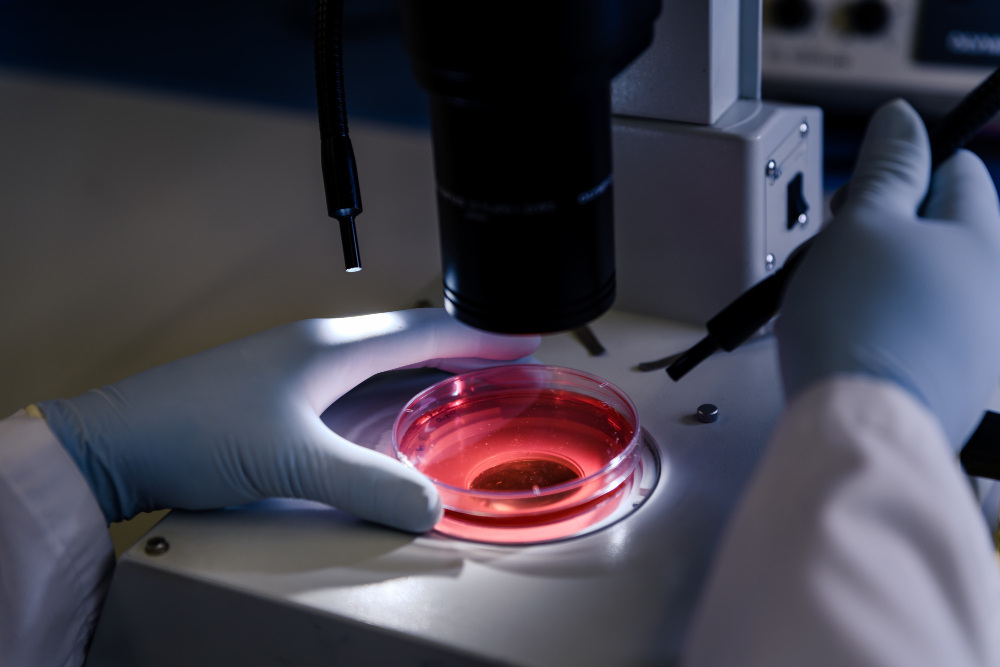
Role of Food Sample Analysis in Qatar
Food sample analysis in Qatar is a comprehensive evaluation of the microbial contamination which can be determined in raw material, ingredients, and food products.
- It helps businesses:
- Recognize bacteria and pathogens
- Monitor hygiene levels
- Strengthen the quality control of suppliers
- Ensure that the distribution and storage is safe
Food testing in Qatar plays a vital role in any effective strategy. It guarantees safety, quality, and compliance, all while building trust and enhancing overall performance in the food industry.
Conclusion
In Qatar’s dynamic and regulated business landscape, Microbiological Testing plays a crucial role in ensuring safety, adherence to standards, and sustained success.
Food testing in Qatar and Food sample analysis in Qatar complement the system, creating a comprehensive food quality assurance framework that helps safeguard consumers, build consumer confidence and meet regulatory requirements.
Routine microbiological testing is not only a compliance requirement, it’s a way to create a safer, more reliable and more sustainable business.