
Your complete resource for understanding how detergents are evaluated for quality, performance, and safety
Why Detergent Testing Matters
Every bottle of laundry detergent or dish soap you use has gone through rigorous testing before reaching your home. But what exactly are manufacturers checking for? And why should you care about these testing methods?
Whether you’re a quality control professional, product developer, or just someone curious about what makes a good detergent, understanding testing methods helps you make better decisions. These tests ensure products actually clean what they claim to clean, remain safe for your family, and don’t harm the environment.
This guide breaks down the most important detergent testing methods in plain language, so you know what goes into creating effective cleaning products.
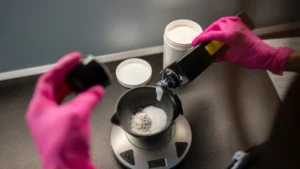
Physical and Chemical Testing
Before a detergent can prove it cleans well, it needs to meet basic physical and chemical standards. These foundational tests tell us whether the product is stable, safe to handle, and consistent from batch to batch.
pH Testing
Measures acidity or alkalinity. Most laundry detergents sit between pH 7-10, while dish soaps range from 7-9. Too acidic or too alkaline can damage fabrics or irritate skin.
Viscosity Measurement
Tests how thick or thin liquid detergents flow. This affects how easily you can pour the product and how well it dissolves in water.
Density Analysis
Checks the concentration and consistency of the formula. Ensures you’re getting the same product quality every time you buy.
Foam Stability
While foam doesn’t equal cleaning power, consumers expect certain products to foam. This test measures how much foam forms and how long it lasts.
Active Matter Content
Determines the percentage of actual cleaning agents versus fillers. Higher doesn’t always mean better, but it shows what you’re paying for.
Moisture Content
For powder detergents, moisture affects flow and storage life. Too much moisture can cause clumping or reduce shelf life.
Real-World Impact
These physical and chemical tests aren’t just numbers on a lab report. They directly affect your experience: whether the detergent pours smoothly, dissolves completely, and stays effective until you finish the bottle.
Performance Testing: Does It Actually Clean?
This is where the rubber meets the road. Performance testing answers the question everyone wants to know: will this detergent actually remove the stains and dirt I need it to?
Washing Performance Tests
These tests simulate real laundry conditions using standardized methods that allow fair comparisons between products.
- Stain Removal Testing: Uses standardized fabric swatches with specific stains (blood, wine, grass, oil, coffee) to measure cleaning effectiveness under controlled conditions.
- Whiteness Retention: Tests whether white fabrics stay white or turn gray after multiple washes.
- Color Protection: Measures how well the detergent prevents color fading or bleeding in colored fabrics.
- Soil Redeposition: Checks if dirt removed from one garment reattaches to other items during the wash cycle.
- Cold Water Efficiency: Important for energy-saving claims, this tests cleaning power in lower temperatures.
Dishwashing Performance Tests
For dish detergents, the challenges are different but equally important.
- Grease Cutting Ability: Measures how effectively the detergent breaks down oils and fats from cookware and dishes.
- Spot and Film Testing: Checks if dishes come out sparkling or show water spots and cloudy residue.
- Baked-On Soil Removal: Tests performance on tough, dried-on food like lasagna or burnt cheese.
- Suds Longevity: For hand dishwashing liquids, measures how long the soap maintains cleaning suds during use.
Why Standardization Matters
Organizations like ASTM International and ISO have created standardized test methods so results from different labs can be compared fairly. When a product claims “removes 99% of stains,” there’s a specific test protocol backing that claim.
Safety and Toxicity Testing
A detergent might clean brilliantly, but if it’s unsafe, it shouldn’t be on store shelves. Safety testing protects consumers and ensures regulatory compliance.
Skin and Eye Irritation Tests
Since detergents come into contact with our hands and can accidentally splash into eyes, manufacturers must prove their products won’t cause harm. Modern testing often uses in-vitro methods (human cell cultures) rather than animal testing, which is being phased out in many countries.
Allergen Testing
With increasing awareness of skin sensitivities, products are tested for common allergens. Fragrance-free and hypoallergenic formulas undergo additional screening to verify these claims.
Toxicity Assessments
Testing examines what happens if someone accidentally ingests detergent (especially important for households with children) and evaluates long-term exposure risks for people who regularly handle these products.
- Acute toxicity studies assess immediate health effects
- Chronic exposure testing looks at long-term use implications
- Biodegradability tests determine environmental safety after products go down the drain
- Aquatic toxicity evaluates impact on water-dwelling organisms
Environmental Testing
As consumers become more environmentally conscious, detergent manufacturers face pressure to prove their products won’t harm ecosystems.
Biodegradability Testing
These tests measure how quickly detergent ingredients break down into natural substances after washing. The faster the breakdown, the less environmental impact. Most modern detergents aim for at least 60% biodegradability within 28 days.
Phosphate Content Analysis
Phosphates once boosted cleaning power but caused algae blooms that killed aquatic life. Most regions now limit or ban phosphates in detergents, requiring regular testing to ensure compliance.
Carbon Footprint Assessment
Beyond the formula itself, comprehensive environmental testing examines the entire lifecycle: manufacturing emissions, packaging materials, transportation impact, and water consumption during use.
Certification Programs
Look for certifications like EPA Safer Choice, EU Ecolabel, or Nordic Swan. These aren’t just marketing badges—they represent rigorous third-party testing that confirms environmental claims.
Stability and Shelf Life Testing
A detergent needs to work just as well on day 365 as it did on day one. Stability testing ensures products remain effective throughout their shelf life.
Accelerated Aging Studies
Rather than waiting years to see what happens, laboratories simulate aging by exposing products to elevated temperatures and humidity. This predicts how detergents will perform over time in various storage conditions.
Freeze-Thaw Testing
Liquid detergents might experience freezing during winter transport or storage. These tests check whether products remain stable and effective after freezing and thawing cycles.
Package Compatibility
The detergent formula must not react with its container. Tests ensure plastic bottles don’t degrade, caps don’t crack, and concentrated formulas don’t eat through packaging materials.
Specialized Testing for Specific Claims
When manufacturers make specific product claims, they need testing data to back them up.
"HE" (High Efficiency) Testing
Verifies low-sudsing formulas work in high-efficiency washing machines that use less water.
Fabric Care Testing
Measures whether detergents maintain fabric softness, prevent fading, or reduce pilling over multiple washes.
Brightening Agent Effectiveness
Tests optical brighteners that make whites appear whiter under UV light.
Enzyme Activity Testing
For enzyme-containing detergents, checks that these biological catalysts remain active and break down protein, starch, or fat stains.
Fragrance Longevity
Measures how long scent lasts on cleaned items, important for products marketing fresh-smelling results.
Anti-Bacterial Claims
If a detergent claims to kill bacteria, it must prove efficacy against specific organisms through microbiological testing.
Quality Control Throughout Production
Testing doesn’t stop after product development. Ongoing quality control ensures every batch meets specifications.
In-Process Testing
During manufacturing, samples are pulled at various stages to check that temperatures, mixing times, and ingredient ratios match the formula. This catches problems before entire batches are ruined.
Final Product Testing
Before any batch ships, it undergoes abbreviated testing of key parameters: pH, density, active matter content, and appearance. More comprehensive testing happens on retained samples.
Retained Sample Programs
Manufacturers keep samples from every production batch for extended periods. If customer complaints arise, these samples allow investigation of whether the problem was with that specific batch or something else.
Understanding Quality in Every Bottle
From pH meters to washing machines running standardized test loads, detergent testing combines rigorous science with real-world application. These methods ensure the products we use daily are effective, safe, and sustainable.
Whether you’re developing new formulations, managing quality control, or simply want to make informed purchasing decisions, understanding these testing methods helps you appreciate the complexity behind that simple bottle of detergent.